Who Owns the San Blas Islands? A Guide to Guna Yala Indigenous Autonomy
When travelers first visit Panama’s picturesque San Blas Islands, many naturally wonder: who owns the San Blas Islands? Officially part of Panama, these tropical islands—also known as Guna Yala—are uniquely autonomous, governed independently by the indigenous Guna community.
Understanding San Blas Islands ownership can enrich your experience, ensuring you respect local traditions and support responsible tourism. Let's explore who runs this paradise and what it means for your trip.
Is San Blas Islands Part of Panama?
Yes, geographically, the San Blas Islands (officially named Guna Yala) lie within Panama. However, their administration, culture, and autonomy are entirely indigenous-controlled by the local Guna people.
Historically, the Guna inhabited this region centuries before Panama's independence. After conflict with Panamanian authorities over cultural suppression, the Guna Revolution of 1925 led to recognition of their rights. Under Panama’s Law 20 of 1957, Guna Yala became a semi-autonomous indigenous territory.
Today, while Panamanian sovereignty is recognized formally, the San Blas Islands are independently governed, functioning under unique indigenous laws set by the Guna community.
What Makes San Blas Islands Ownership Unique?
Unlike other destinations in Panama, like Bocas del Toro, Guna Yala maintains strong indigenous governance through the Guna Yala General Congress. This governing body protects the islands' ecological integrity and traditional lifestyle.
Specifically, this includes:
- Autonomous governance separate from national government politics
- Preservation of traditional Guna customs, language, and clothing (such as colorful molas textiles)
- Sustainable, community-driven and low-impact tourism practices
Who Are the Guna People of San Blas Islands?
The indigenous Guna people, numbering around 50,000, have lived sustainably in this region for centuries. Known worldwide for their beautiful molas—distinct intricate textiles sewn by Guna women—they take immense pride in maintaining cultural heritage.
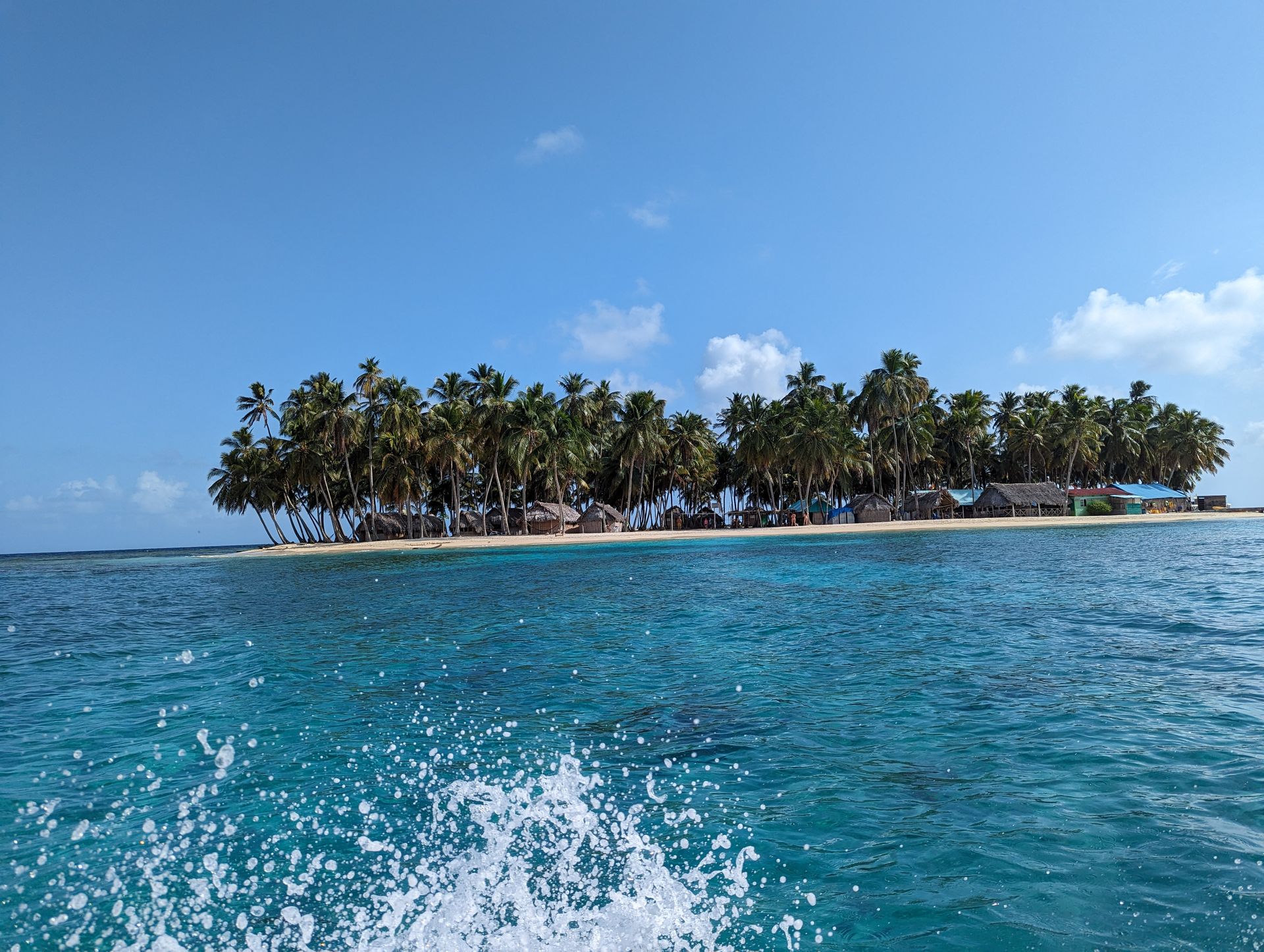
Travelers visiting islands like Aroma Island or Aguja Island can directly experience Guna hospitality, traditions, and practices firsthand through respectful tourism providers. Experiencing their rich culture authentically during a Pelicano Island Day Trip enriches visitors' understanding of who owns the San Blas Islands and their unique lifestyle.
How Are the San Blas Islands Governed Today?
Role of the Guna Yala Congress
The Guna Yala Congress (Congreso General Guna) represents the highest indigenous authority for San Blas Islands governance. Comprised of community representatives, it manages tourism regulations, natural resource protections, and community issues.
Because ownership of the San Blas Islands firmly belongs to the Guna people, the Congress ensures tourism respects cultural traditions and ecological sustainability by requiring approvals for all tourism initiatives and development projects.
Local Laws and Customs for Visitors
Visitors must understand local laws and customs established by Guna Yala authorities, such as:
- Property on these islands cannot be bought or leased by outsiders.
- Visitors must travel with approved tour operators or local guides authorized by the Guna Yala Congress.
- Respect local customs by seeking permission before taking photographs and refraining from collecting shells or coral.
Partnering with responsible local tour operators like Sea San Blas ensures compliance, letting visitors explore authentically and responsibly.
Why San Blas Islands Is Different from Other Panama Destinations
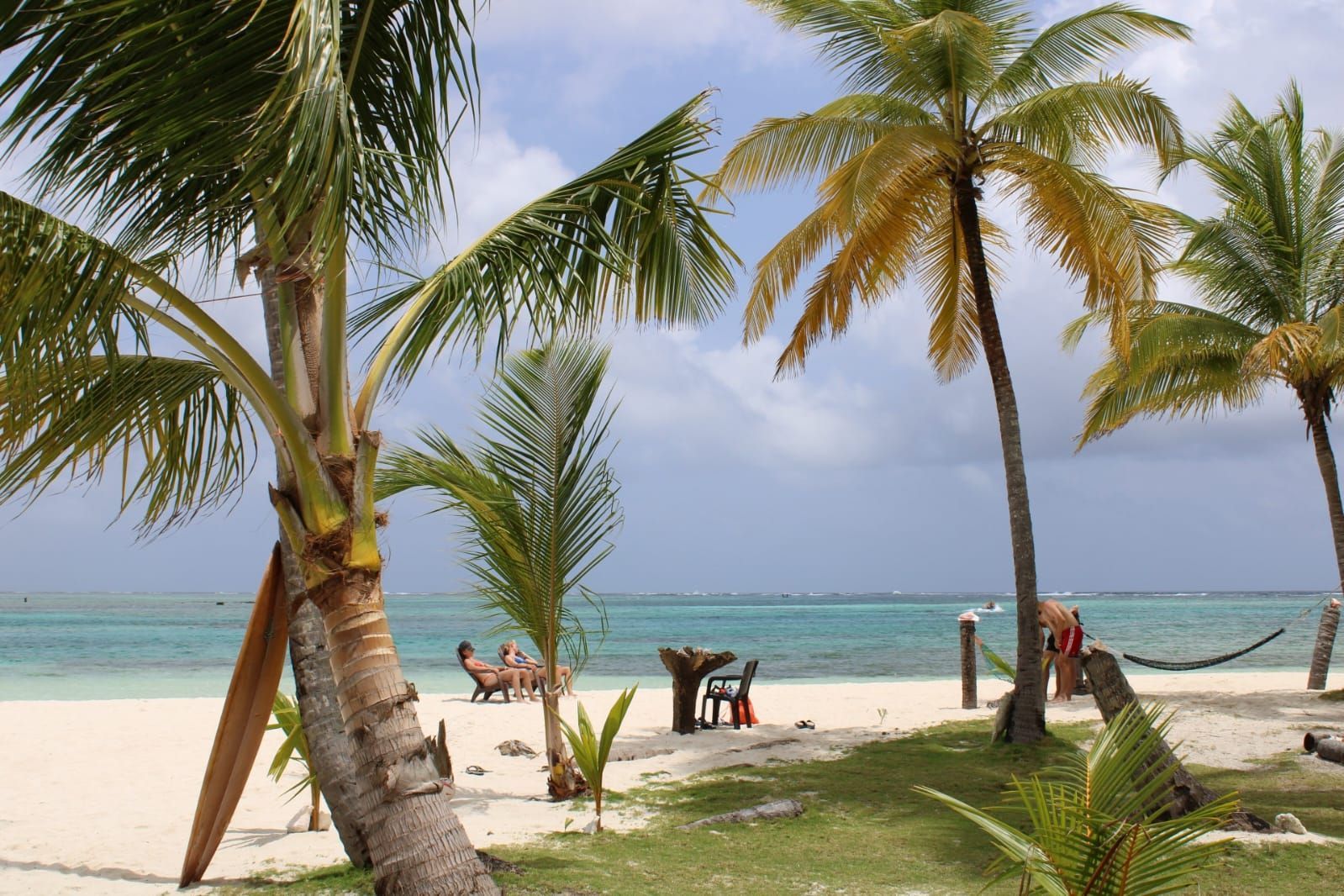
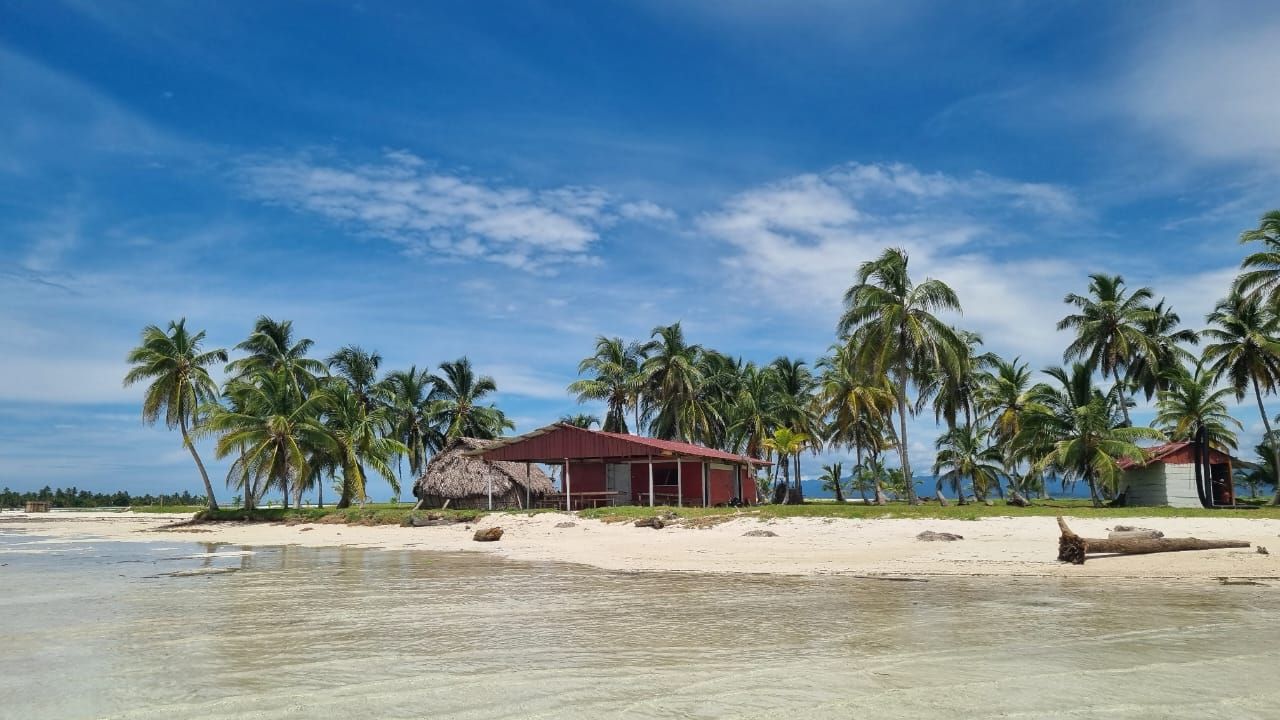
San Blas Islands differ significantly from other popular Panama locations because the Guna prioritize community-centered sustainable tourism over mass commercialization. Here you'll find no crowded resorts or hotels, only charming rustic cabins and local-run experiences.
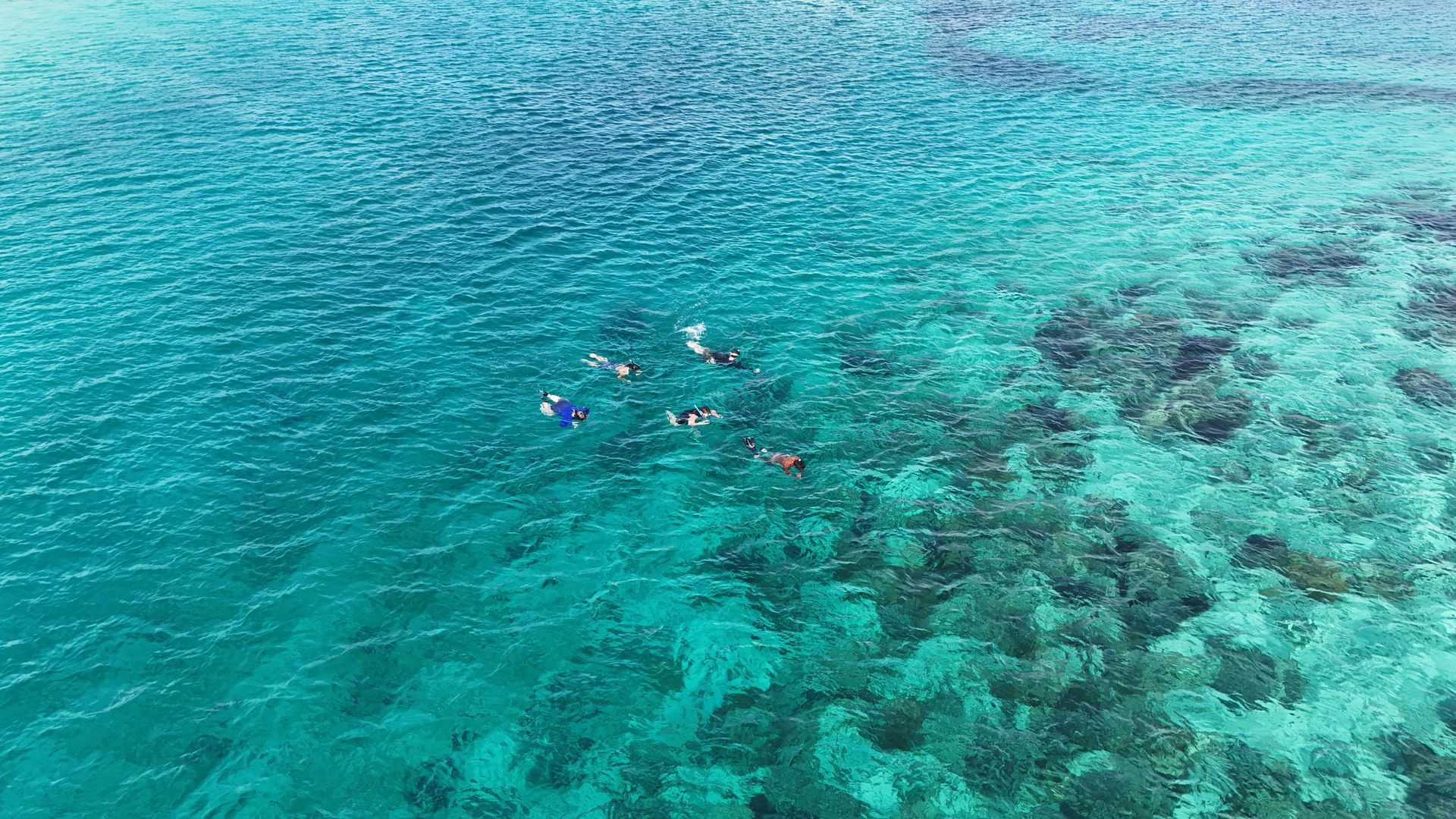
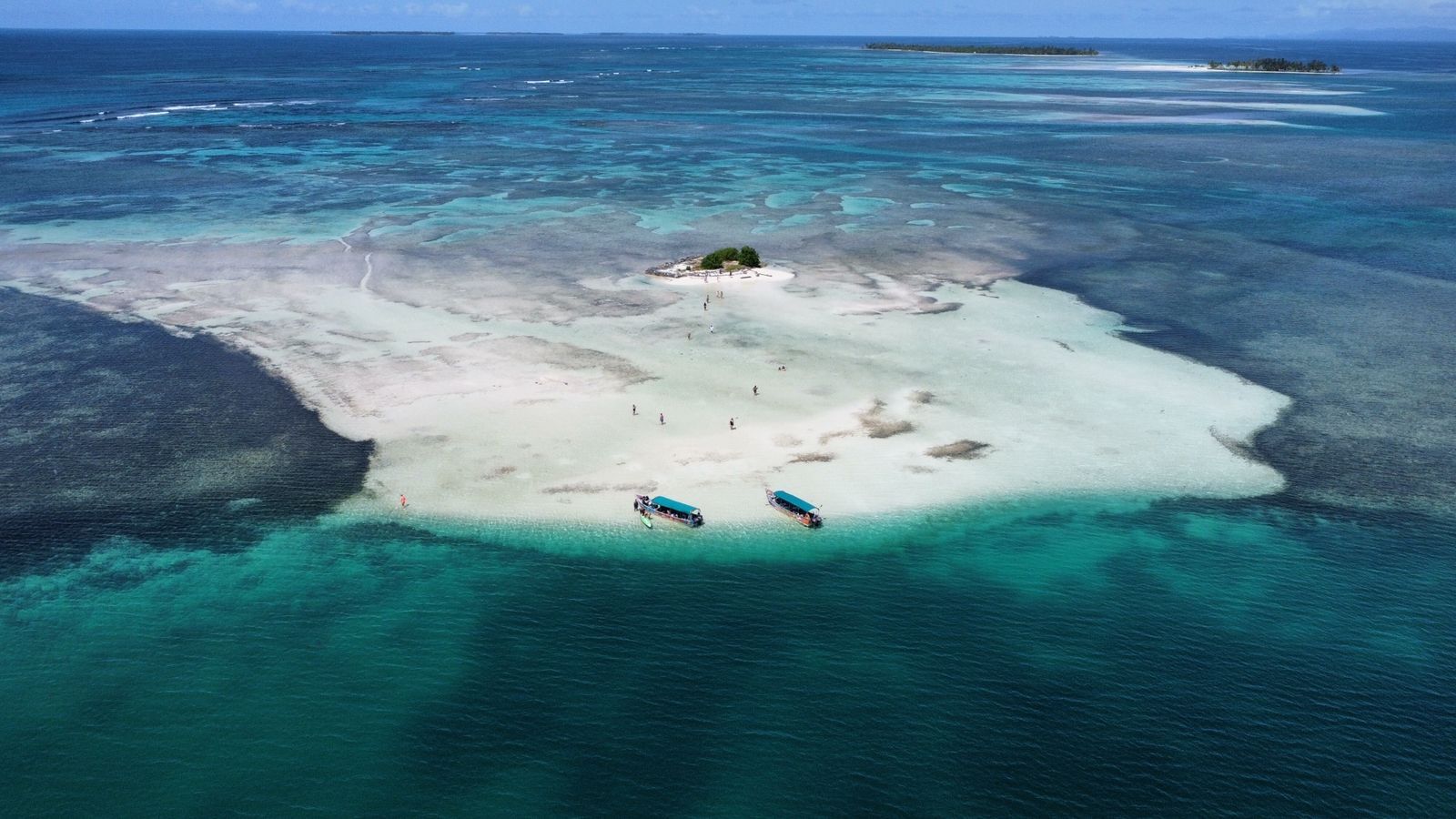
Guna Yala's unique system of ownership and governance fosters meaningful, authentic cultural exchanges, unlike commercial tourism destinations in Panama. Island-hopping adventures or snorkeling trips arranged with authorized local operators offer unforgettable, genuine experiences.
Can Tourists Visit San Blas Islands Without Permission?
Tourists do not need individual special permission, but visiting requires arrangements with approved tour operators recognized by the Guna Yala Congress. Due to indigenous ownership and autonomy, independent travel without local partnership is restricted or prohibited.
Planning your trip through experienced, responsible providers—such as Sea San Blas—ensures adherence to local regulations and an enriching experience with respectful interactions.
Enhancing Your Travel Experience through Understanding San Blas Islands Ownership
Choosing providers that operate alongside indigenous laws delivers authentic cultural immersion. Experience the Guna lifestyle respectfully through excursions like sailing adventures around Pelicano Island or overnight cabin stays on Aroma Island.
Understanding who owns the San Blas Islands transforms your journey into a meaningful exchange. Experience genuine hospitality firsthand while knowing your visit supports indigenous heritage and conservation efforts on the islands.
Frequently Asked Questions (FAQ):
Who Officially Governs the San Blas Islands?
Officially, the San Blas Islands are geographically part of Panama but are autonomously governed by the indigenous Guna people through their indigenous body, the Guna Yala Congress. This congress independently sets local regulations, tourism practices, environmental rules, and maintains community traditions.
Can Visitors Purchase or Lease Land in San Blas Islands?
No, visitors cannot purchase or lease land in San Blas Islands. Property ownership is reserved strictly for Guna community members, ensuring cultural preservation, environmental sustainability, and community integrity.
Do Visitors Need Special Individual Permission to Visit San Blas Islands?
While individual permissions are not typically required, tourists must have arrangements through approved local tour operators recognized by the Guna authorities. Complying with this ensures responsible travel and respect for local customs and governance practices.