Eco-Tourism in San Blas: How to Travel Responsibly and Sustainably
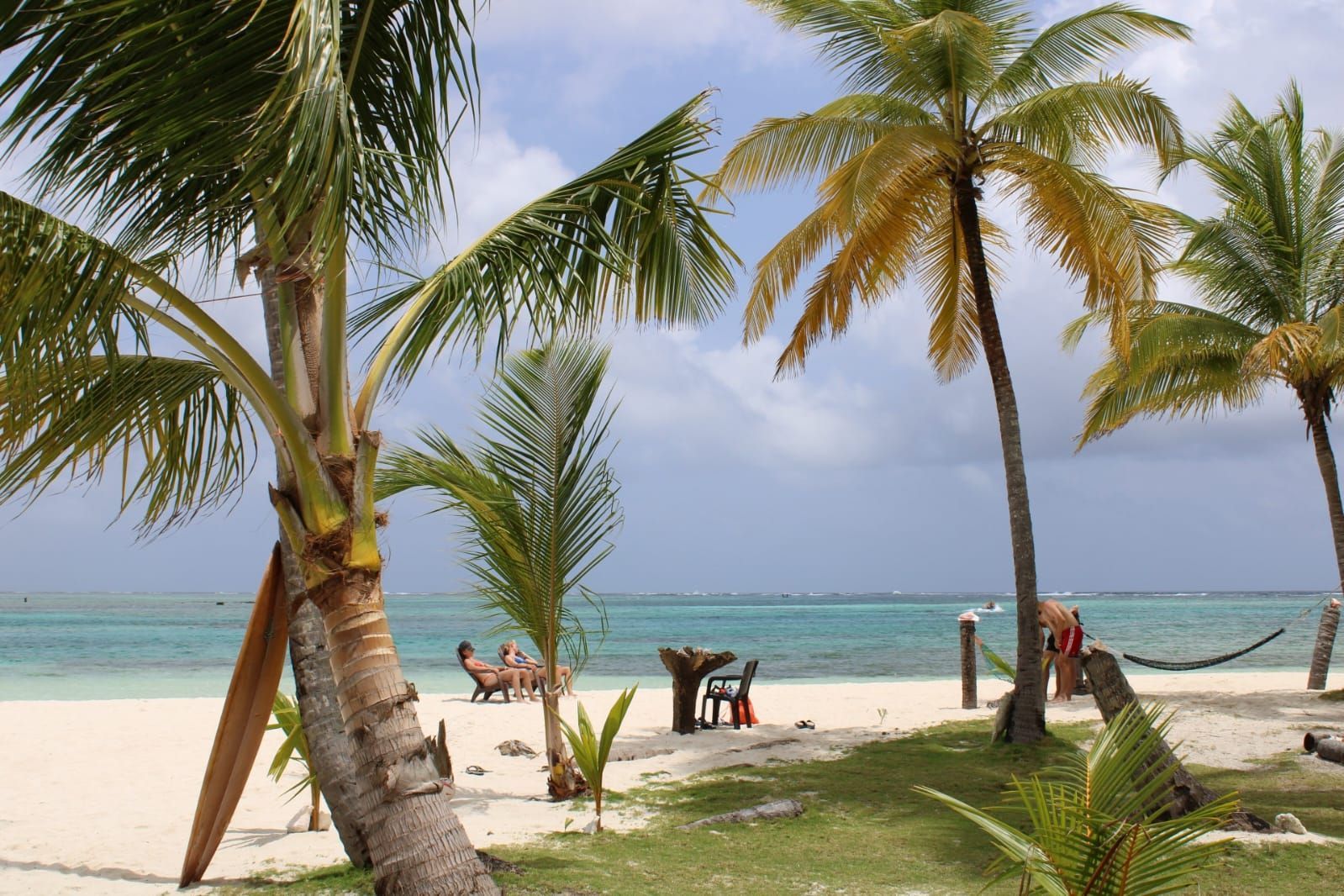
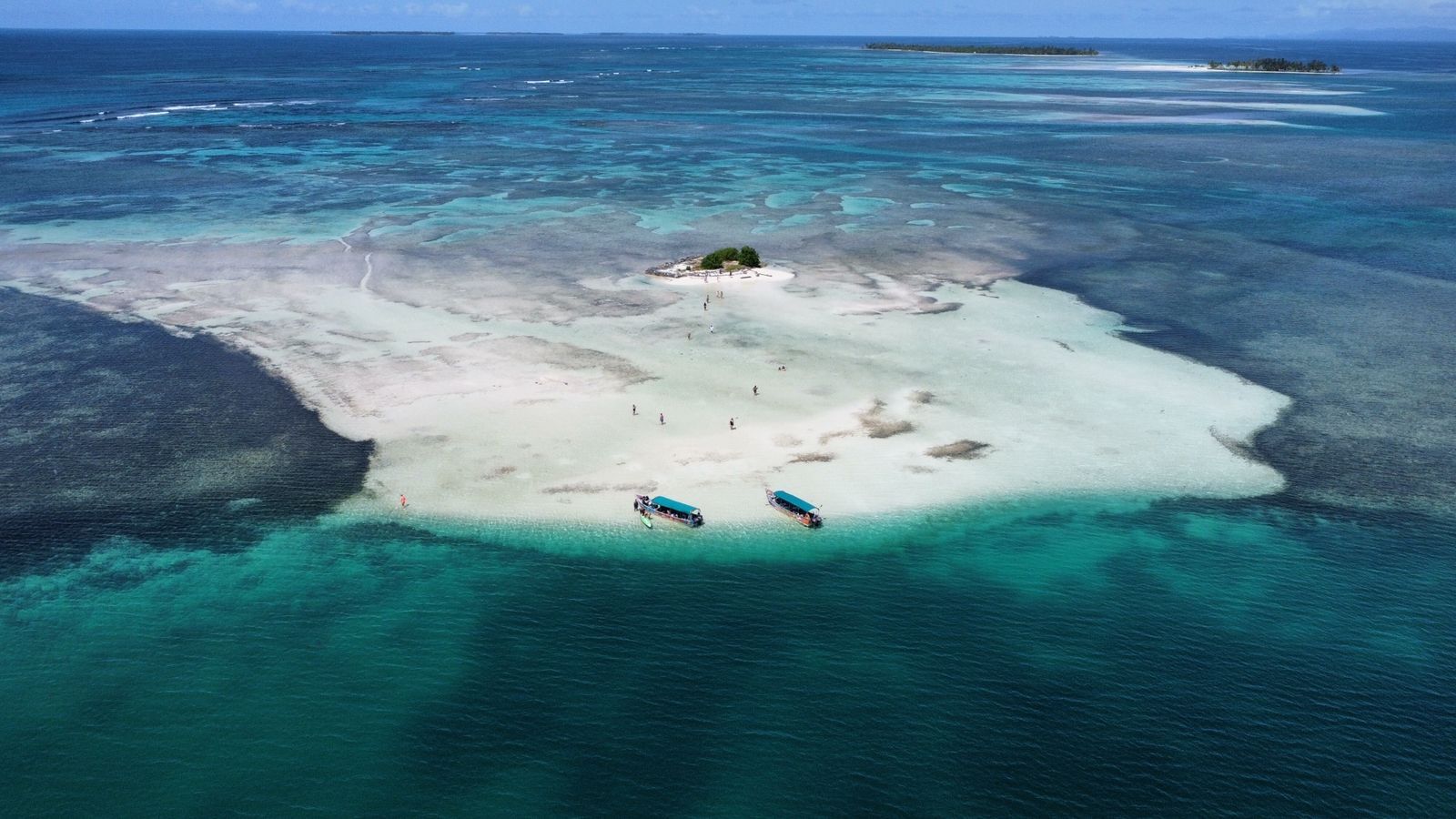
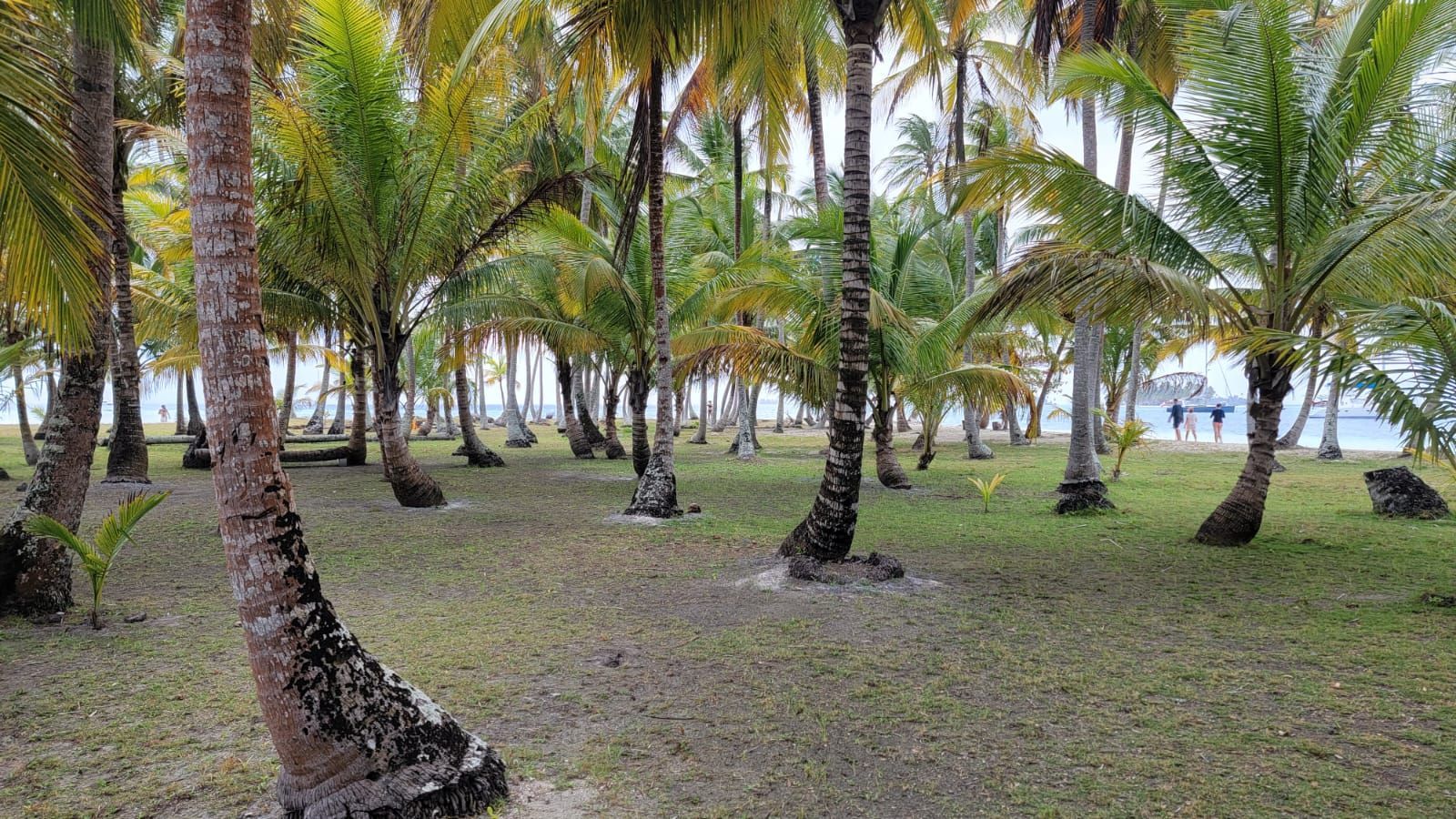
San Blas Islands might seem like an untouched paradise you've always dreamt of visiting, with pristine white beaches, lush palm trees, and crystal-clear turquoise waters. However, beyond its scenic beauty lies the delicate ecosystem of the Guna Yala community—home to vibrant indigenous traditions and diverse wildlife habitats. Practicing eco-tourism in San Blas allows you to enjoy its beauty responsibly, benefiting both the local culture and environment.
In this guide, you'll discover the best sustainable travel practices for San Blas islands, ways to respectfully engage the Guna Yala community, and how eco-friendly actions can ensure San Blas remains beautiful for generations.
Why Responsible Tourism in San Blas Matters
The Fragile Ecosystem of San Blas Islands Eco-Friendly Tourism is Essential
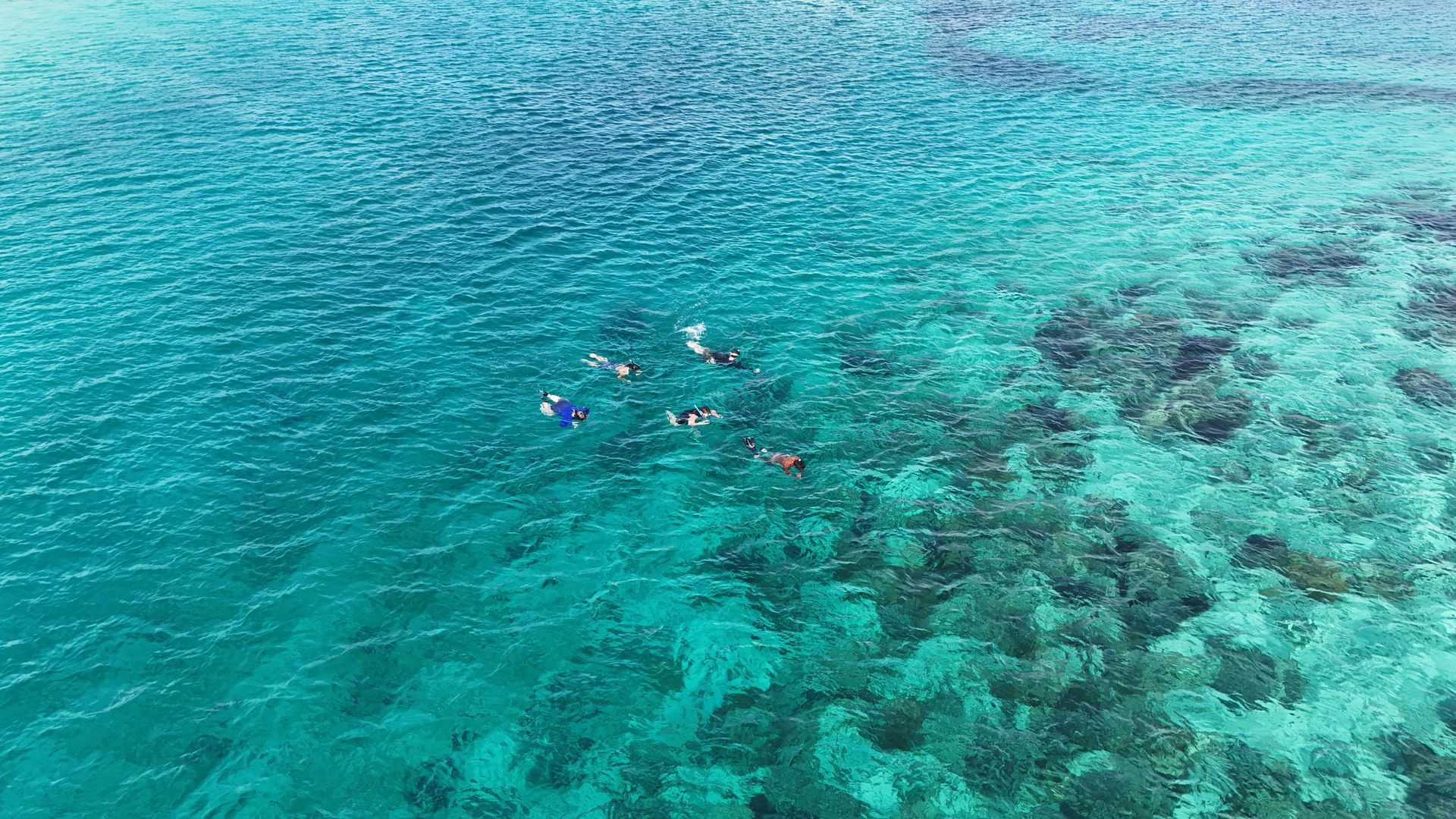
When traveling, especially to ecologically sensitive destinations like San Blas, adopting responsible tourism practices is crucial. Known officially as the Guna Yala community, these islands support diverse coral reefs, extensive mangroves, and marine biodiversity critical to the health of the Caribbean. Irresponsible tourism activities such as improper boat anchoring, stepping on coral, or plastic litter could devastate this delicate environment.
According to the United Nations Environment Programme, roughly 11 million metric tonnes of plastic reach oceans annually, affecting marine ecosystems worldwide—and San Blas Islands are no exception. Adopting sustainable travel in San Blas requires each visitor's commitment to preserving this pristine environment.
The Guna Yala Community: A Cultural Heritage Worth Protecting
The islands are autonomously governed by the indigenous Guna Yala community, famous for preserving their cultural heritage and self-sustaining lifestyle. Irresponsible tourism might commercialize local culture, degrade traditions, and even violate privacy. Thus, interacting carefully and respectfully during visits to San Blas islands ensures your travels positively impact this traditional community.
What Exactly Is Eco-Tourism in San Blas?
Eco-tourism, as defined by the International Ecotourism Society, entails responsible travel to natural locations, protecting the environment and sustaining local well-being through education and mindful interaction. Choosing eco-tourism in San Blas means supporting Guna-operated businesses, minimizing ecological footprints, and engaging respectfully with locals and nature alike. At Sea San Blas, we partner directly with indigenous-run tour providers committed to eco-friendly standards.
Practical Tips for Sustainable Travel in San Blas
Reduce Plastic Waste—Bring Reusable Items
Single-use plastics pose a severe risk to San Blas marine wildlife. Eco-tourism in San Blas means proactively minimizing plastic waste—bring reusable water bottles, utensils, and shopping bags. Remember that remote islands have limited trash management, making responsible waste habits crucial from the outset of your travel plans.
Choose Biodegradable and Reef-Safe Toiletries
Many sunscreens and toiletries contain chemicals harmful to coral reefs. To support eco-friendly tourism practices in San Blas, opt for biodegradable and reef-safe products like Stream2Sea, Reef Safe, or other eco-conscious brands that protect delicate marine life.
Respect Guna Traditions and Sacred Spaces
Practicing responsible tourism in San Blas includes respecting cultural values. Many Guna Yala areas and beaches hold spiritual significance; ensure you know what spaces are off-limits. Maintain a modest dress code, politely ask permission before photographing people, and avoid disturbing the peace by minimizing loud noises.
Support Local Guna-Owned Businesses and Accommodation
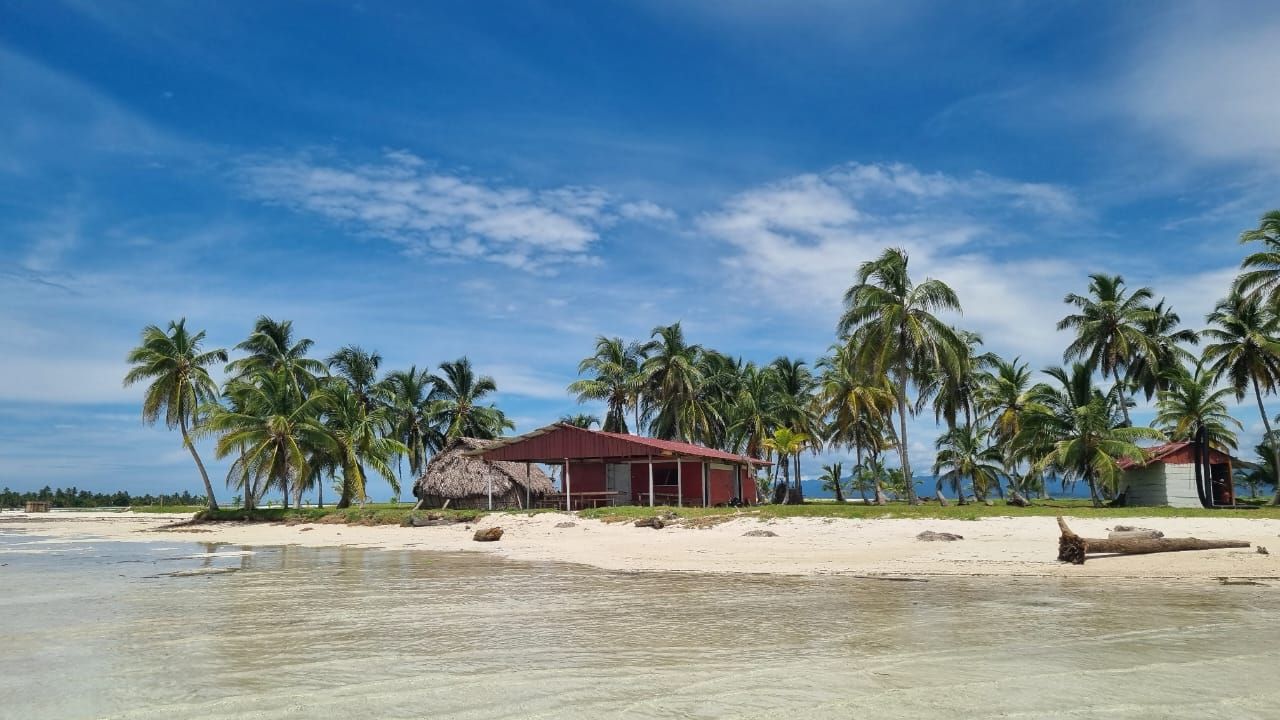
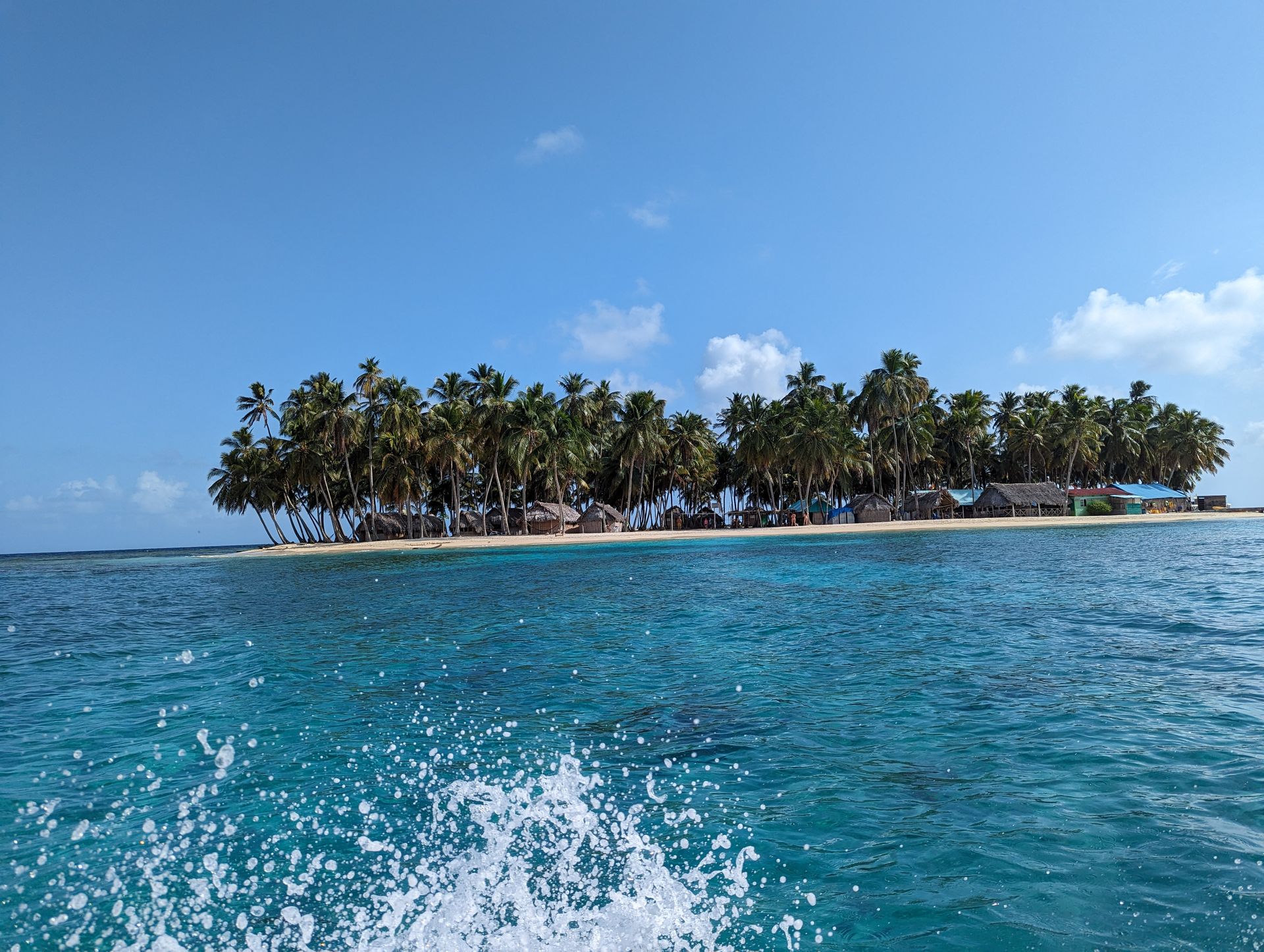
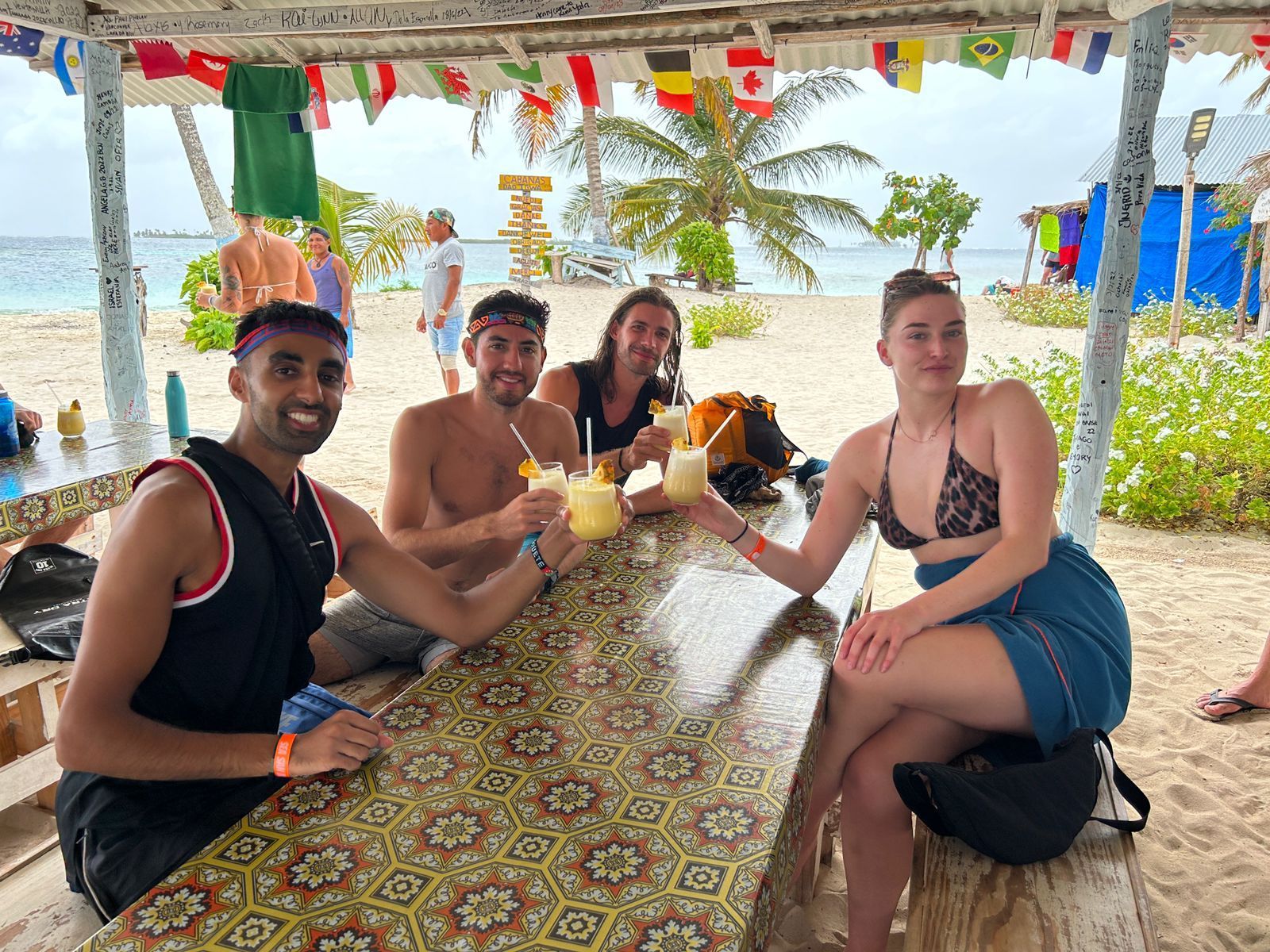
Sustainable travel in San Blas strongly depends on ethically supporting local economies. Go for tours and stays owned directly by the Guna Yala community. At Sea San Blas, we offer unique experiences like community visits, authentic island stays in Aguja Island, Franklin Island, or Pelicano Island, and sailing trips led by local guides deeply knowledgeable about their environment and culture.
Leave Natural Souvenirs Behind
Part of respecting San Blas islands eco-friendly practices means avoiding the temptation to collect shells and coral. Picking even seemingly insignificant items can cumulatively damage ecosystems and increase coastal erosion. Photographs and memories are far better "souvenirs" to cherish.
Avoid Disruption with Minimal Noise and Lights
Eco-tourism in San Blas includes being attentive to wildlife needs. Keep artificial lights low and noise to a respectful minimum to avoid disturbing species such as nesting sea turtles and birds, particularly during nighttime hours.
Common Mistakes Travelers Make (and How to Prevent Them)
- Collecting shells and coral: Remember, leave nature intact for future travelers.
- Plastic pollution: Use sustainable travel practices like reusable bottles and non-plastic options.
- Being culturally unaware: Educate yourself beforehand to respect Guna culture fully.
Eco-Tourism in San Blas Mini-Checklist:
- Use reusable water bottles and refuse single-use plastics.
- Pack reef-safe toiletries.
- Support eco-friendly, Guna-owned providers.
- Respect local traditions, customs, and private spaces.
- Leave the environment as beautiful and untouched as you found it.
Frequently Asked Questions (FAQ):
Is San Blas an Eco-Tourism Destination?
Yes, San Blas is ideal for eco-tourism provided visitors follow sustainable travel practices. Its pristine natural beauty and cultural heritage make it even more important that travelers act responsibly.
What Should I Pack for Sustainable Travel in San Blas?
Reusable water bottles, reef-safe sunscreens, biodegradable toiletries, eco-friendly clothing, and reusable shopping bags will significantly minimize your environmental impact.
Is Eco-Friendly Accommodation Available in San Blas Islands?
Absolutely. The Guna Yala community operates eco-friendly lodges and cabins, designed sustainably using solar power and eco-sensitive practices, directly contributing to community well-being.
Final Thoughts: Enjoying San Blas Responsibly
Embracing eco-tourism in San Blas not only preserves delicate marine ecosystems; it supports sustainable livelihoods for the indigenous Guna Yala community. Choose responsible tourism operators like Sea San Blas, where you can experience authentic local cultures and unforgettable adventures while leaving a positive footprint. Explore Pelicano Island, Aguja Island, or the famous sunken shipwreck tours. Your conscious choices will ensure generations enjoy the pristine paradise of San Blas.